September gets the postcards, but October is the month that rewards travellers willing to stay flexible. The light goes long and golden, the sea holds more warmth than the air, and towns that spent July queueing for the same plate of fritto misto start to feel like places where people actually live. It is also the month when things close, ferries thin out, and one storm can rewrite a long weekend. What follows is the honest version of what changes along the Italian coast in autumn — and how to work with it instead of against it.
The first thing to understand is that October is not one month but two halves. Early October often delivers what Italians call l'ottobrata: a run of clear, mild days with a flat sea and a sky so clean the horizon looks retouched. Swimming is entirely reasonable, sometimes better than in August, because the water has been storing heat since June and often feels warmer than the air when you step out.
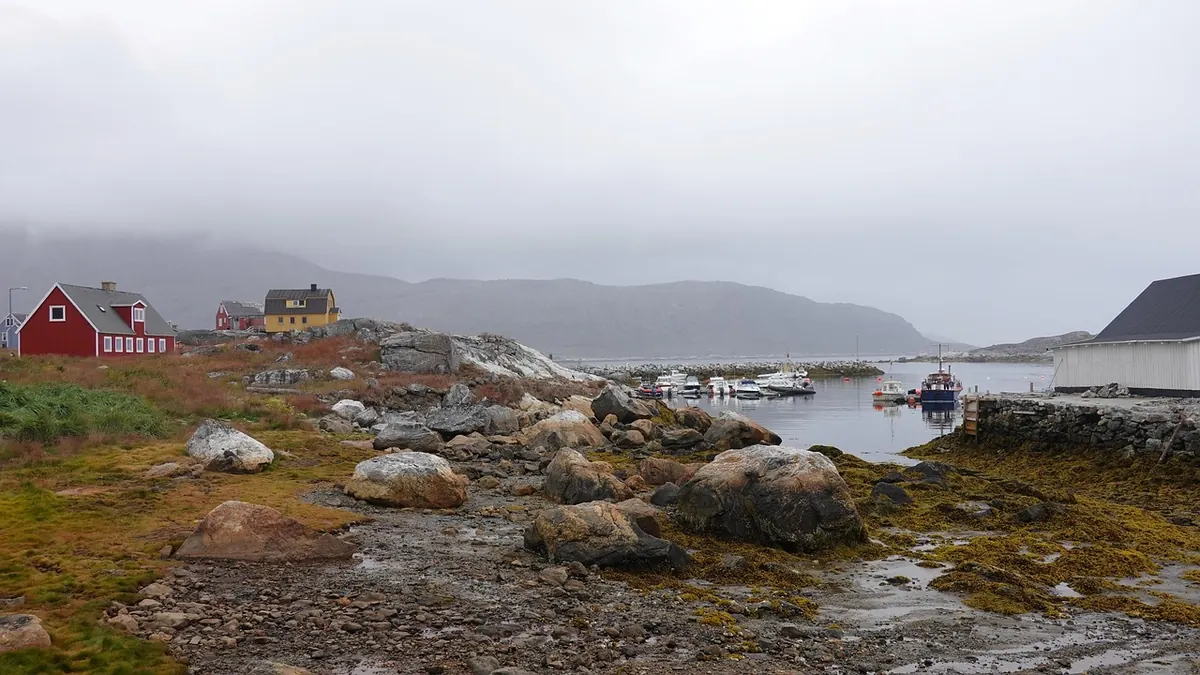
By the second half, the pattern shifts. Mornings come with haze or a low bank of cloud that burns off by eleven, or doesn't burn off at all. Rain arrives less often but with more intent: short, heavy, sometimes dramatic bursts rather than the polite drizzle of northern Europe. Coastal geography matters here. The Ligurian Levante and the northern Adriatic cool fastest and take the autumn rain first; Sicily, Calabria and the smaller southern islands can still feel like late summer well into November.
Two practical consequences. Daylight: by the end of the month sunset arrives before six, so afternoon boat trips and coastal walks need to start earlier than they did in September. And the sea state: a summer-calm Mediterranean can turn choppy in a few hours, which matters far more for your plans than the air temperature does.
The mass of August and the still-busy first half of September drain away quickly once Italian schools are properly back in session. Midweek in October you can walk into restaurants that required a booking three weeks earlier, find space on the beach, and hear the sea rather than someone else's playlist.
But the emptying is uneven. Weekends still fill with Italians on short breaks, especially in the big-name villages where a Saturday is enough. Cruise ships continue to call at the larger ports. And October is festival season inland, so the coast's market towns fill up on the days when a sagra is running — chestnuts, mushrooms, new olive oil, wine from the just-finished harvest. If you want emptiness, take a Tuesday. If you want atmosphere, take a Saturday and expect to share it.
This is where October catches people out. Ferry routes that ran four times a day in August may run twice, or once, or stop altogether for the season. Hydrofoils tend to be cut before the slower car ferries, which means a crossing that took forty minutes in July becomes a two-hour journey in October. And the last boat of the day leaves earlier, so a late lunch can cost you the return.
Smaller and more seasonal islands — Ponza, the Tremiti, parts of the Aeolian and Egadi groups, the Maddalena archipelago — move most on these timetables. Before you commit to an island, check the operator's own schedule for your exact dates, not a general route page, and confirm again a week out.
The key distinction is between a resort and a town. A resort exists for the season; a town exists all year. Once you can tell them apart, October stops being a gamble.
Most stabilimenti dismantle in late September, stacking sunbeds and umbrellas against a wall. Some keep a bar or a kiosk open at weekends into October if the weather holds. Free beaches remain, of course, and they are at their best now — no rope lines, no fee, just sand and colder water than you expected.
Seasonal restaurants close without ceremony, often the week after the last big weekend. Small family-run hotels in beach resorts frequently shut from mid-October to Easter, and the ones that stay open may run reduced breakfast, no dinner service, or a single floor of rooms. If you are booking a specific place for a specific reason, email and ask directly what will be open on your dates. It is a normal question in October and nobody will be offended.
Larger coastal cities, working fishing ports and provincial capitals stay fully alive: markets, pharmacies, year-round restaurants, buses running to a winter timetable. Smaller historic centres with a resident population do too, just more quietly. It is the purpose-built marina complexes and the one-street beach villages that empty out.
October may be the best month of the year to move through the coast rather than lie on it. Coastal paths are passable without the August heat, and the famous ones — the Cinque Terre trails, the Amalfi staircases, the Conero paths, the headlands of the Gargano — are calmer without being deserted. Bring shoes with real grip; autumn rain leaves stone steps slick.
It is also harvest time. Olive groves along the Adriatic and in Liguria are being picked and pressed, and small producers will often show you the mill if you ask politely. Cycling is pleasant on the flat coastal roads of the Veneto and Friuli, less so on the Amalfi coast, where the traffic never really stops. And the fish changes: autumn brings a different catch to the markets, which is a good argument for ordering whatever the waiter names first.
Pack for two climates in one week: swimwear and a towel alongside a warm mid-layer, a waterproof shell with a hood, and something for evenings that turn cool fast. A single compact umbrella is worth more than three pairs of shoes. If you plan to swim, remember the air after you get out is the part that surprises people, so bring a dry layer to pull on immediately.
For booking, favour refundable or flexible rates in October, and if you are island-hopping, build one spare night into the itinerary before any flight. Reserve the first and last nights of a trip and leave the middle loose; that is the whole advantage of the season.
Do those six things and October gives you the coast at its most usable: warm water, low prices, no queues, and a landscape that has stopped performing for visitors and gone back to work.
Photo: dassel / Pixabay