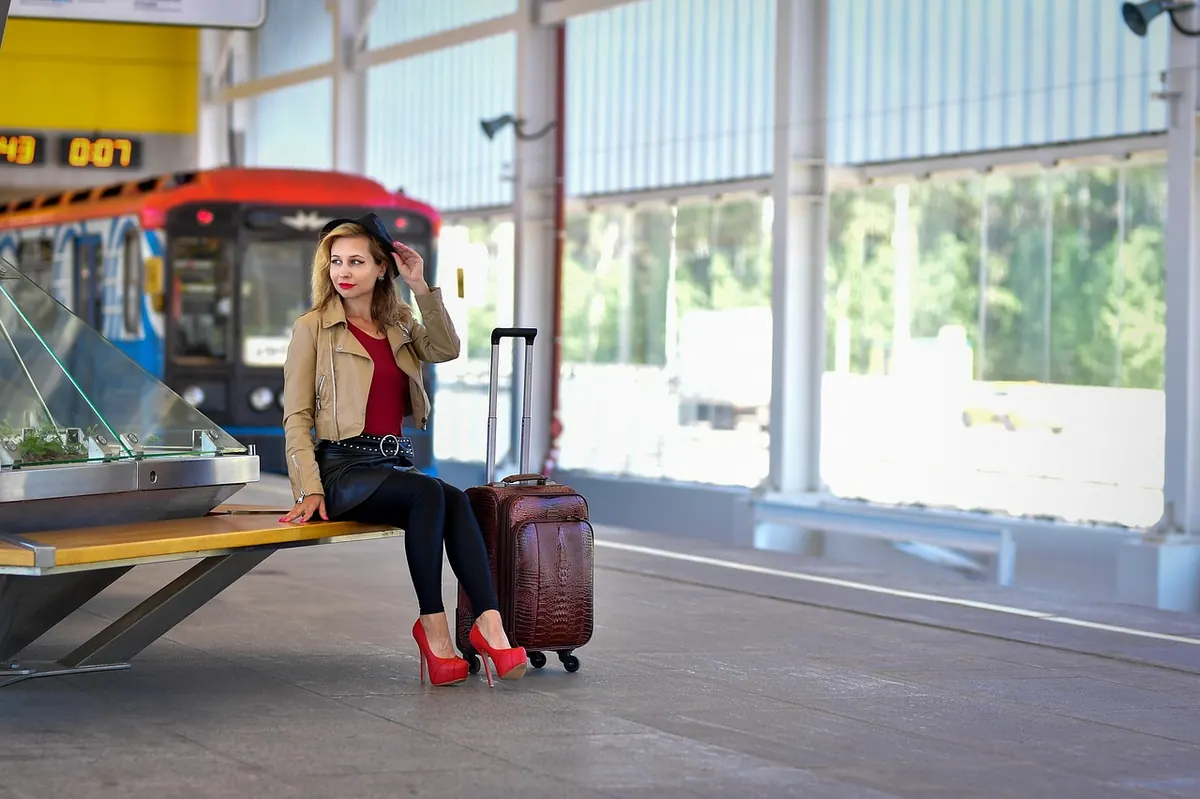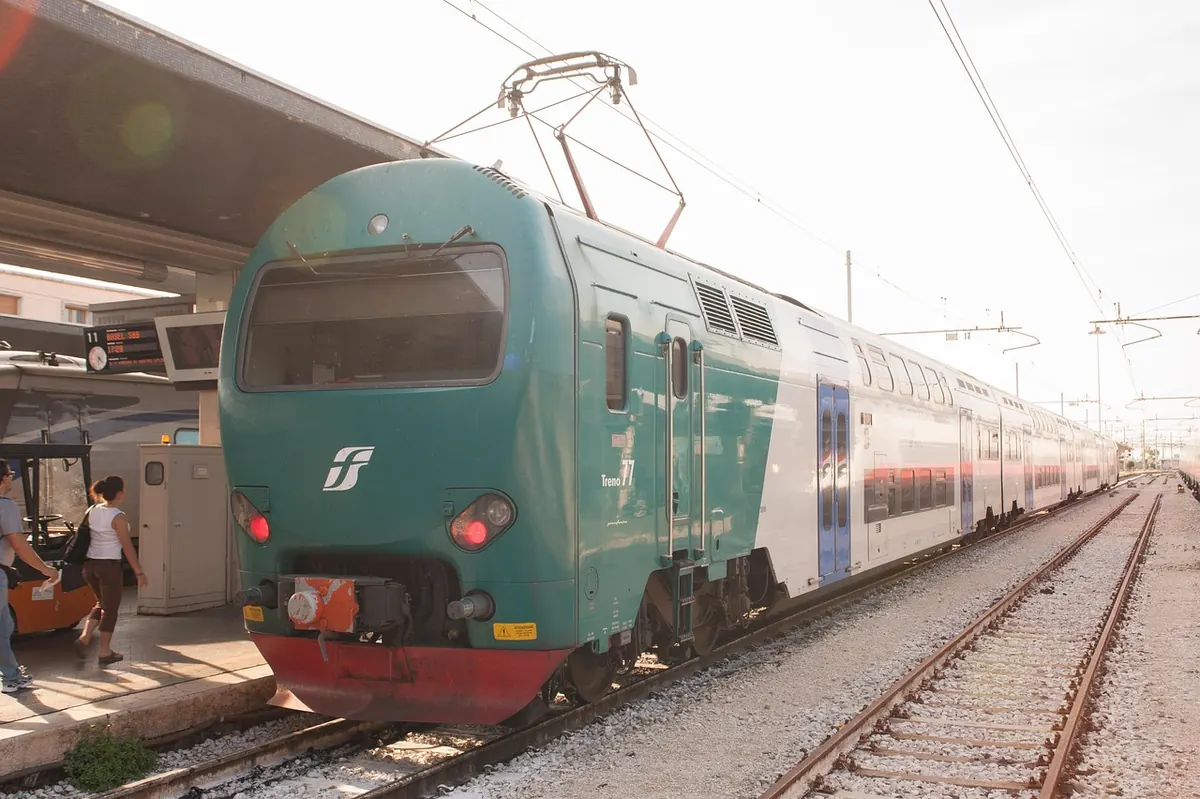
The first time you stand on a platform at Milano Centrale with a ticket on your phone, a suitcase between your feet and a departure board clicking overhead, everything looks simple enough. Then the train pulls in, sixty people get off in ninety seconds, the doors blink, and you realise you have no idea whether your ticket is valid, where your coach is, or how long you have before those doors close.
None of this is hard. It just isn't obvious, and the mistakes people make are the same ones over and over, in every country. Here are the ones worth heading off before you travel.
In several European countries, a paper ticket bought from a machine or a counter still has to be validated — stamped with a date and time — before you board. Italy is the classic case: on regional trains, those small cardboard tickets go into the validation machines at the head of the platform. France applies similar rules on some regional services, and Spain on some local ones. Skip it and an entirely honest traveller can be treated as a fare evader, which is a miserable way to start a holiday.
The usual confusion is between paper and digital. A ticket bought online with a barcode is normally already dated and needs nothing further. The paper ticket from the machine is the one that wants stamping. And don't stamp twice: in some systems a second stamp can make a ticket look as though it has already been used. If you're unsure, ask at the ticket office or find a conductor before departure — it takes fifteen seconds and it's the cheapest insurance on the trip.
On regional trains you buy a ticket, get on and sit wherever you like. On high-speed and many international trains — TGV in France, Frecciarossa and Italo in Italy, AVE in Spain, Eurostar, most night trains — a reservation is compulsory. When you buy a normal through ticket, the reservation is usually included automatically. Problems appear when you're travelling on a rail pass, or when you buy the two separately and assume one covers the other.
A Eurail or Interrail pass is not a ticket for a specific train. On any service where reservations are required, you still book and pay for a seat, and on popular summer routes that means booking well ahead. Turn up without one and you may be moved, charged again, or left on the platform.
It also pays to read the small print on your confirmation. Coach and seat numbers are printed there — carrozza 7, posto 12, voiture 14, place 32 — and if somebody is sitting in your seat, they have almost certainly misread their own.
European trains rarely have checked baggage. Whatever you bring, you carry on, lift, stow and take off again yourself. That means getting it up a step, along a narrow aisle and into a rack in under a minute while the queue behind you waits.
A ten-minute change looks generous on a timetable. In reality it means arriving on time, finding the board, discovering the platform has changed, crossing a station with a suitcase, and hoping. Trains run late. Platforms change at short notice. A three-minute platform transfer is not a three-minute job with luggage and a staircase.
Fare conditions matter here too. Cheap advance tickets are usually tied to one specific train, and if you miss it the ticket is worthless. Flexible tickets let you take a later departure. Many European operators also have delay compensation and rebooking rules, but coverage varies by country, operator and ticket type, so read the terms attached to the one you bought. If your journey is on a single through ticket, a missed connection caused by a delay is normally the operator's problem. On two separate tickets, it's yours.
Cities with more than one main station catch everybody eventually. Paris has six, and Gare de Lyon and Gare du Nord are not a short stroll apart. Milan has Centrale and Porta Garibaldi; Berlin has Hauptbahnhof, Ostbahnhof and Südkreuz; Rome has Termini and Tiburtina. Some names mislead, too: Venezia Mestre is on the mainland while Santa Lucia is the one on the canal, and Frankfurt Flughafen is the airport rather than the city.
There's a subtler version of the same error. Some trains split in two partway through the run, each portion heading to a different destination. Sit in the wrong coach and you end up in the wrong city, and it isn't a mistake you can fix at the next stop. Check the coach letter or number on the platform display, not just the destination on the front of the train.
Advance fares — Sparpreis in Germany, Super Economy in Italy, Prem's in France — are genuinely good value and genuinely inflexible. They're tied to a train, often non-refundable, sometimes not exchangeable at all. If your plans might move by a day, price the flexible fare before you commit: occasionally it costs little more than the cheap ticket plus one change fee.
Two smaller habits help. Book directly with the operator where you can, because third-party resellers add fees and make changes harder to resolve. And remember that the cheap-fare logic only applies to high-speed routes: regional fares are usually fixed, so buying on the day costs the same and keeps you free.
That's the whole list. None of it requires you to be a rail expert, and after two or three journeys it becomes automatic. The point is simply to spend your attention on the view out of the window rather than on the small print you should have read at the station.
Photo: AntDavey / Pixabay