Three days in a hill town teaches you the route from the car park to the piazza. Three weeks teaches you the name of the woman who sells the greens on Saturday, which bar the old men treat as the only correct one, and how the town sounds at seven in the morning before the shutters go up. That shift, from visiting a place to living in it briefly, is the whole point of a slow month. It also takes more planning than a holiday, not less. Get the foundations right and the month takes care of itself; get them wrong and you spend the first fortnight solving problems instead of living.
Most people choose a town the way they choose a restaurant: from a photograph. Better to start with a list of what your ordinary Tuesday needs to contain. If you write in the mornings, you need quiet and reliable internet. If you cook, you need a real grocery and a kitchen worth using. If you don't drive, you need a town where the station or the bus stop connects you to somewhere else, because a month is long enough that you will want to leave occasionally.
A good base for a slow month has three qualities. First, a working centre rather than a preserved one: a bakery, a pharmacy, a hardware shop, a bar that opens at six in the morning for people who are actually going to work. Second, a manageable scale, small enough that you keep meeting the same faces, large enough that you don't have to drive for bread. Third, a pulse: a weekly market, a theatre with a winter season, a student population, a festival that isn't aimed at tourists.
Places that fit this description are not hard to find once you stop looking for the famous ones. Think of the upper Marche around Ascoli Piceno and Fermo, the quieter edge of Umbria near Città di Castello, Abruzzo towns like Sulmona, or Belluno on the northern side. Each has the infrastructure of a provincial capital in miniature and a centre you can cross on foot in fifteen minutes. What they don't have, in February, is a crowd.
Small towns fail on logistics, not on charm. Before you put money down, verify the boring things, ideally by emailing the host or the tourist office directly rather than trusting a listing's summary.
Monthly rentals change the arithmetic of a trip. A one-bedroom taken for four weeks in a low or shoulder season usually costs less than the same apartment would for ten days in July, and the longer stay often softens the nightly rate further if you ask directly. Ask. Hosts who like the idea of a quiet tenant for a month will often negotiate, particularly outside the high season.
Beyond rent, the costs that surprise people are small and constant: coffee, bread, a bottle of wine with lunch, the bus you take three times a week, the museum you duck into because it's raining. Slow travel is cheap per day and expensive per month, which is exactly the trap. Build a weekly figure rather than a daily one, add something for the two or three trips you'll inevitably take, and keep a cushion for the heating bill if you're travelling in winter.
Budget advice is personal and circumstances vary, so if your plans involve long leases, residency questions or anything with tax consequences, take proper advice from a qualified professional rather than relying on a blog post, this one included. And check the entry rules for your nationality before you book anything.
Arriving blind into a four-week rental is a gamble. A better sequence: book five or six nights in a small hotel or guesthouse in your chosen town, then spend the first two days walking the streets and looking at noticeboards, letting agencies and the local Facebook groups that list apartments. You will see the neighbourhoods, hear the traffic, and find out whether the flat above the bar is as charming at midnight as it was at noon.
If you'd rather have everything settled, book a week first and use it to interview your own month. Either way, keep the first week's accommodation cancellable and don't sign a long contract without seeing the property and meeting the person who will hand you the keys.
Belonging somewhere is a matter of repetition, and repetition can be scheduled. Treat the first week as an apprenticeship in your own neighbourhood.
Then protect the routine. It is very easy to turn a slow month into a poorly organised tour of the surrounding province. Choose two days a week for outings and leave the rest alone. A month with six good day trips in it feels generous; a month with twenty feels like a job.
Confirm the key handover in writing and get a phone number that works locally. Tell your bank you'll be abroad so the card doesn't freeze on the first grocery run. Carry a paper copy of your passport and any prescriptions, and check that your medication is legal and available where you're going. Pack for the season you'll actually get, not the one in the photograph, and leave a third of it at home.
Then, when you arrive, resist the urge to see everything in the first three days. Buy the bread, learn the walk, say good morning. The town will do the rest.
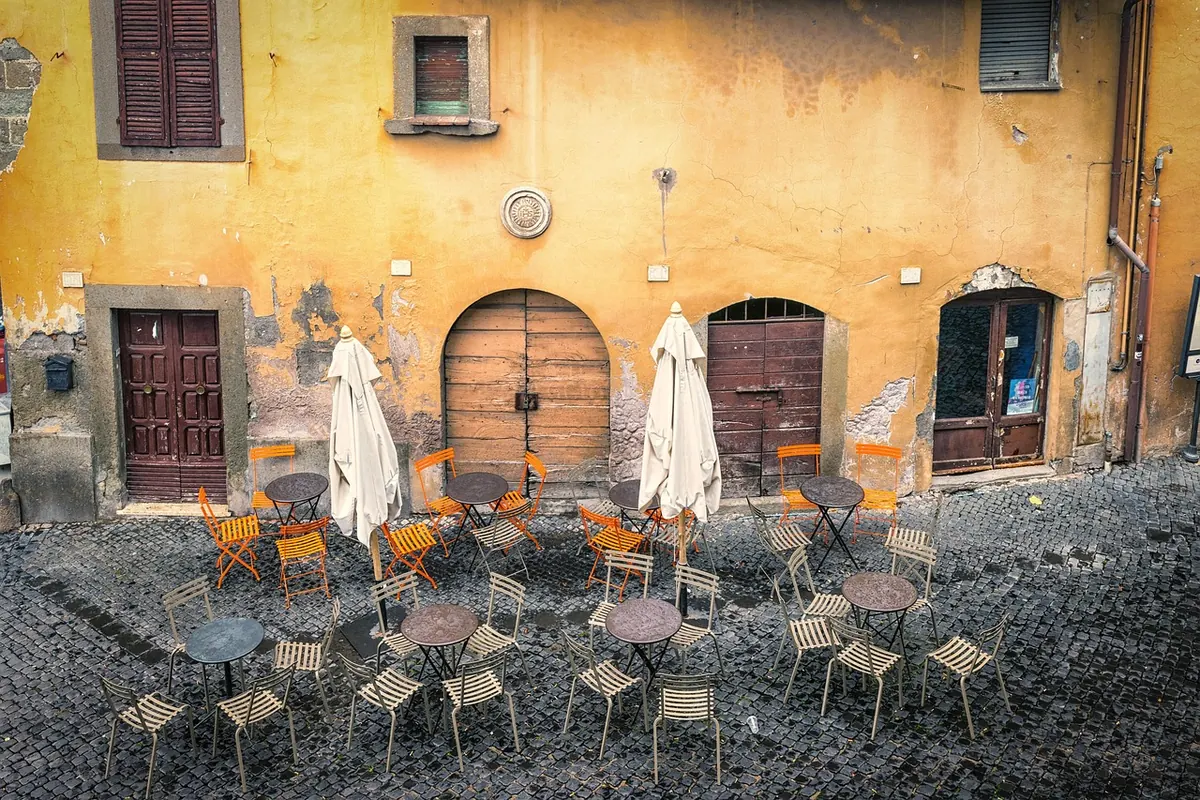
Photo: Tama66 / Pixabay